Emergency Vet Cost in Idaho
Dogs: $132. Cats: $140. Source: CareCredit 2026 state emergency-exam table.
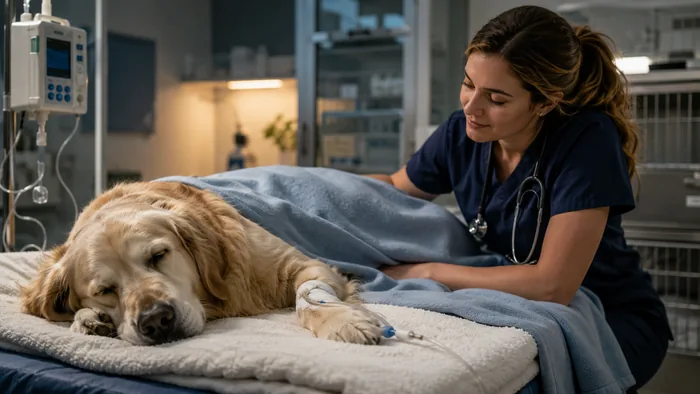
What can be included in the bill?
The emergency exam is usually just the first charge. After triage, the veterinary team may recommend diagnostics and stabilization before it can tell you whether your pet can go home, needs hospitalization or requires surgery.
| Cost component | Why it may be needed |
|---|---|
| ER exam | Initial triage and veterinary assessment. |
| CBC/chemistry panel | Evaluates blood cells, organ values and electrolytes. |
| X-rays | Used for trauma, chest/abdomen and some foreign bodies. |
| Ultrasound | Used for internal organs, fluid and soft-tissue assessment. |
| IV catheter and fluids | Supports stabilization and medication delivery. |
| Sedation | May be required for painful procedures or imaging. |
| Emergency procedure/surgery | Varies enormously by diagnosis. |
| Hospitalization | Adds monitoring, nursing and repeated treatment. |
Why can the price change so much?
The exam fee is relatively predictable compared with the rest of the bill. The expensive part is what happens after the veterinarian identifies the problem.
- Time of day and facility type
- Diagnostics required
- Stabilization and medications
- Surgery or procedures
- Length of hospitalization
- Specialist involvement
- Severity at arrival
What should Idaho pet owners ask before treatment?
Ask for a written estimate that separates the exam, diagnostics, anesthesia or sedation, procedure, medications, hospitalization and follow-up care. For emergency cases, the first estimate may cover stabilization only; the veterinary team may revise it after imaging, bloodwork or surgery reveals the actual severity.
- What is included in the current estimate?
- Which items are required now and which are optional or contingent?
- Could hospitalization add another night or more?
- Will a specialist or emergency surgeon be involved?
- What changes would trigger a higher estimate?
- What follow-up care is likely after discharge?
How this page uses cost data
The Idaho exam averages are directly from CareCredit's current state table. They do not include the rest of an emergency workup or treatment.
Related Idaho guides
Emergency Vet Care Hub · Dog Treatment Costs · Cat Treatment Costs · Overnight Hospitalization
Frequently asked questions
How much is an emergency vet exam in Idaho?
CareCredit's 2026 state table lists an average of $132 for dogs and $140 for cats.
Is the ER exam the total bill?
No. Bloodwork, imaging, medications, fluids, procedures, surgery and hospitalization are separate costs.
Why do emergency hospitals cost more?
They maintain staff, equipment and facilities for urgent care outside normal hours and often manage more complex cases.
Can I ask for an estimate?
Yes. Ask for a written estimate and ask which items are immediately necessary versus contingent on test results.
What if my pet needs hospitalization?
Ask whether the estimate is per night, per 24 hours or a bundled range and what monitoring is included.
Does pet insurance reimburse ER visits?
Many accident-and-illness policies cover eligible emergencies subject to deductibles, reimbursement limits, waiting periods and exclusions.
Can I wait for my regular vet to open?
That depends on the symptoms. Potentially life-threatening problems should not be delayed for cost reasons. Contact an emergency veterinarian for guidance.
What should I bring to the ER?
Bring medication lists, relevant records, known toxin packaging or information, and details of what happened if available.
How to use Idaho veterinary cost benchmarks correctly
A statewide benchmark is useful for planning, but it is not a quote. Idaho veterinary hospitals set their own fees, and the final amount depends on the pet's diagnosis, severity, facility type and treatment plan. Emergency and specialty hospitals typically maintain different staffing, monitoring and equipment than routine daytime practices, so a higher price can reflect a different level of care rather than a simple markup.
When this page gives an Idaho-specific figure, it comes from the source already cited on the page. When only a national benchmark is available, the page identifies it as national rather than pretending it is an Idaho average. That distinction matters because false precision may look impressive in a search snippet while being useless to the person actually paying the bill.
How to compare emergency veterinary care without delaying treatment
Emergency veterinary pricing is difficult to compare because the first charge is only the exam. The financially important question is what happens after triage. A pet that needs only an examination and medication creates a very different bill from a pet that needs bloodwork, imaging, IV fluids, oxygen, surgery or overnight monitoring. When the situation is stable enough to discuss cost, ask the team for an estimate that separates the first stabilization plan from services that may be added after test results return.
Do not use price shopping as a reason to delay care when a pet may be unstable. Trouble breathing, repeated collapse, uncontrolled bleeding, active seizures, severe trauma, suspected urinary obstruction and a distended painful abdomen can deteriorate quickly. In those situations the first objective is professional evaluation and stabilization. Cost discussions still matter, but they should happen in parallel with medically necessary treatment rather than instead of it.
After the initial exam, ask what decision each recommended test will change. This is a useful way to understand the bill without second-guessing the veterinarian. Bloodwork may identify electrolyte or organ problems that affect anesthesia. X-rays may identify trauma or obstruction. Ultrasound may be used when soft tissue needs closer evaluation. These are not interchangeable line items, and a cheaper estimate that omits a necessary diagnostic step is not truly equivalent.
Hospitalization deserves its own discussion. Ask whether the estimate is for one calendar night, a 12-hour shift, a 24-hour period or a broad range. Clarify whether nursing, repeat exams, IV fluids and common medications are bundled or charged separately. If the hospital anticipates transfer to a daytime practice or specialty center, ask when that transfer might happen and which records will follow the pet.
What should be included when you compare estimates?
Ask for a written estimate and compare categories, not just totals. Common categories include the examination, bloodwork, imaging, sedation or anesthesia, the procedure itself, medications, hospitalization and follow-up. If one estimate is dramatically lower, check whether important services are missing rather than assuming the provider is simply cheaper.
For surgery, ask whether the quote includes implants, pathology, postoperative imaging and rechecks when relevant. For emergency care, ask whether the first estimate covers stabilization only or the expected full stay. For imaging, ask how many views or which type of study is included and whether specialist interpretation is separate.
Why estimates can change after treatment begins
Veterinary teams sometimes cannot know the complete treatment plan before diagnostics are finished. A swallowed object may look uncomplicated on an initial X-ray but require bowel resection in surgery. A dental examination may reveal additional diseased teeth once dental radiographs are taken. A blocked cat may need another night of hospitalization if kidney values or electrolytes remain abnormal. These changes are clinical uncertainties, not automatically billing errors.
Ask the hospital how it handles authorization when the treatment plan changes. Many practices provide a range and contact the owner when the expected total will exceed the approved amount, unless the pet is in an immediate life-threatening situation. Understanding that policy before treatment reduces financial surprises.
Idaho geography can affect access and total cost
Idaho combines larger metro markets with many rural communities. A pet may begin care at a local general practice and then travel to Boise, the Treasure Valley, Idaho Falls, Coeur d'Alene or another regional center for emergency, specialty or advanced diagnostic services. Referral can add transportation, a new examination and sometimes repeated diagnostics when the receiving team needs current information.
If the case is stable and planned, ask whether records, X-rays and laboratory results can be transferred electronically before the referral appointment. For emergencies, do not delay stabilization in order to avoid a possible duplicate fee. Medical urgency comes first.
Pet insurance and payment planning
Pet insurance usually reimburses eligible expenses after the owner pays the veterinary provider. Deductibles, reimbursement percentages, annual limits, waiting periods and pre-existing-condition exclusions vary by policy. If a condition has already started, buying a new policy generally will not make that existing problem eligible. Review the actual policy instead of relying on a generic statement that 'insurance covers surgery.'
Hospitals may also accept credit cards or third-party financing. Availability and approval vary. For planned treatment, ask about payment requirements before the procedure date. For emergencies, ask the hospital for the initial deposit requirement and when updated estimates will be provided.
Questions that improve both medical and financial clarity
- What is included in the current estimate?
- What information is still unknown?
- Which test or procedure could change the plan?
- Is the quote a fixed number or a range?
- What could require another night of hospitalization?
- Are medications, rechecks and postoperative imaging included?
- Will records transfer if a specialist becomes necessary?
- What payment is required before treatment begins?
Not sure what kind of care your pet may need?
Use the PetCare Idaho assessment to organize the problem, possible urgency and the treatment-cost guides that may be relevant.
Start Free Pet Treatment Assessment