Does Pet Insurance Cover Emergency Vet Visits in Idaho?
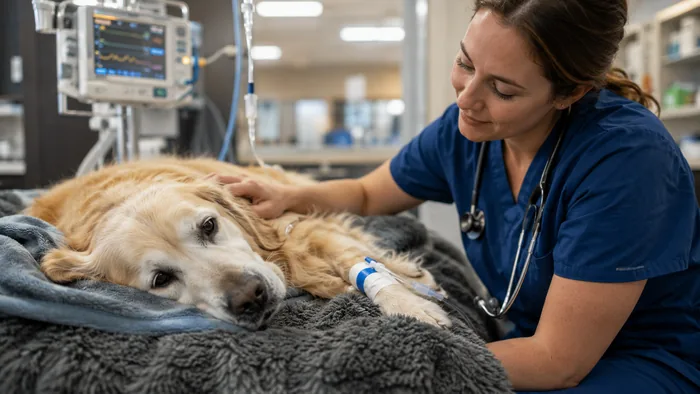
Emergency coverage is policy-specific
An emergency visit is not automatically covered just because it happens at an emergency hospital. Coverage usually depends on why the pet needed care, whether that condition is eligible, whether the policy was active after any applicable waiting period and whether an exclusion applies. Read the policy terms rather than relying on the label 'emergency.'
Expect to discuss payment before reimbursement
Many pet insurance arrangements reimburse the owner after the veterinary bill is paid. That means a family may still need a credit card, savings, financing or another payment method at the hospital. The insurer's reimbursement timing does not change the hospital's own payment policy.
What the insurer may ask for
Claims commonly require an itemized invoice and medical records. Depending on the insurer and claim, additional records may be requested to determine whether the condition is eligible or pre-existing. Ask the hospital for complete discharge notes and invoices before leaving.
Why deductibles and reimbursement percentages matter
A covered claim can still leave the owner responsible for part of the bill. Deductibles, reimbursement percentages and annual or policy limits can change the amount ultimately reimbursed. Use the actual policy documents to estimate your share.
Emergency exam versus full treatment
The exam is often only the first line item. Diagnostics, medications, surgery and hospitalization may create most of the bill. When discussing coverage, ask whether the insurer treats these services under the same accident/illness benefit or under separate limitations.
How to evaluate payment options without delaying medically necessary care
Financial planning matters, but it should be separated from the question of whether a pet needs urgent veterinary attention. If a pet is struggling to breathe, has collapsed, is actively seizing, has uncontrolled bleeding, may be unable to urinate, has severe abdominal swelling or has suffered major trauma, contact a veterinary provider promptly. Once the pet is being evaluated, ask for the first-stage estimate and discuss payment constraints openly.
For stable, planned care, you have more time to compare options. Request a written estimate, ask what is included, and identify which charges are fixed versus conditional. This is especially important for surgery and hospitalization, where diagnostic findings can change the treatment plan after the initial estimate is prepared.
Questions to ask the veterinary hospital before treatment
- How much is due before treatment begins?
- Is this estimate for stabilization only or the expected full course of care?
- Which services may be added after diagnostic results?
- Does the practice accept pet insurance claims directly or is reimbursement handled after payment?
- Which credit cards or third-party financing options are accepted?
- Are there separate deposits for surgery or hospitalization?
- When will I receive an updated estimate if the plan changes?
- Can I receive an itemized invoice and complete medical records at discharge?
Questions to ask the insurer or financing company
- Is the underlying condition eligible under my policy?
- Has the waiting period ended?
- How is the deductible applied?
- What reimbursement percentage applies?
- Are there annual or condition-specific limits?
- What documents are required for a claim?
- How long does reimbursement usually take under this policy?
- For financing, what interest, fees and repayment terms apply?
Why itemized estimates matter
A single total does not tell you whether two treatment plans are equivalent. One estimate may include bloodwork, imaging, anesthesia, medications, hospitalization and a recheck while another includes only the procedure. Insurance and financing decisions are easier when the estimate shows the actual components of care.
Itemization also helps after treatment. If an insurer reimburses only some charges, the explanation of benefits can be compared with the veterinary invoice. If financing is used, the owner can see which services created the balance rather than treating the entire veterinary visit as one unexplained number.
What PetCare Idaho does and does not do
PetCare Idaho provides educational cost and payment context. It does not sell insurance, approve financing, determine claim eligibility, set veterinary prices or guarantee that a specific practice accepts a particular payment product. Policies, credit decisions and hospital payment rules can change, so verify them with the company or veterinary provider directly.
Source and policy-check resources
The following resources are useful starting points for understanding emergency veterinary costs, veterinary financing and reimbursement. They do not replace the terms of your own insurance policy or financing agreement.
- CareCredit emergency vet cost and financing guide
- CareCredit veterinary financing overview
- CareCredit pet insurance overview
- CareCredit veterinary financing guide
Related PetCare Idaho guides
Emergency Vet Cost in Idaho · Overnight Hospitalization Cost · Dog Treatment Costs · Cat Treatment Costs
Frequently asked questions
Does pet insurance pay the veterinarian directly?
Often the owner pays the hospital and the insurer reimburses eligible expenses later, but claim and payment processes vary by insurer and provider.
Can I buy pet insurance after my pet gets sick?
You can buy a policy, but an active or previously symptomatic condition may be excluded as pre-existing, and waiting periods can apply.
Does every Idaho veterinarian accept CareCredit?
No. Participation varies. Verify acceptance directly with the veterinary practice or the issuer's current provider locator.
Can an emergency vet refuse a payment plan?
Payment policies are set by the veterinary provider. Do not assume an installment plan is available unless the hospital confirms it.
Will insurance cover the entire bill?
Not necessarily. Deductibles, reimbursement percentages, exclusions and benefit limits can leave the owner responsible for part of the cost.
Are emergency exam fees covered?
Coverage varies by policy and the underlying condition. Review the actual policy terms.
What documents should I keep?
Keep itemized invoices, medical records, diagnostic reports, claim correspondence and discharge instructions.
Can financing be denied?
Yes. Third-party financing is subject to credit approval and account terms.
What if my pet needs care before insurance reimbursement arrives?
You may need savings, a credit card, financing or another payment method because reimbursement often happens after treatment.
Should I delay emergency care while checking coverage?
No. If your pet may have a life-threatening condition, seek veterinary care promptly and address payment and claims as the situation allows.
Does PetCare Idaho guarantee insurance coverage?
No. Only the insurer can determine claim eligibility under the policy.
Does PetCare Idaho guarantee financing approval?
No. Credit approval and terms are controlled by the financing provider.
How to prepare before a large veterinary bill happens
Keep a current copy of your pet's insurance policy, policy number, claims contact information and recent veterinary records. If you use a credit product, know the available limit and current terms rather than discovering them for the first time during an emergency. If you rely on savings, keep enough liquidity that the money can actually be accessed when the hospital asks for a deposit.
For planned surgery or diagnostics, ask for the estimate several days before the appointment. That gives you time to check insurance eligibility, ask what documentation will be needed and confirm the hospital's accepted payment methods. For emergencies, these steps may need to happen quickly, but the same principles still apply.
How to avoid comparing unlike financial options
Insurance, financing and savings are not substitutes in a simple one-to-one way. Insurance transfers some eligible risk to an insurer. Financing converts a current bill into a repayment obligation. Savings use your own money immediately. Each has different costs, exclusions and timing.
A lower monthly insurance premium can come with a higher deductible or lower reimbursement. A promotional credit offer can become expensive if its terms are misunderstood. A savings-only strategy avoids premiums and interest but requires enough cash to absorb a large emergency. Compare the full mechanics rather than one advertised number.
What to do after the claim or financing decision
When an insurance claim is processed, compare the explanation of benefits with the itemized veterinary invoice. If something appears inconsistent, review the policy and use the insurer's question or appeal process. When financing is used, confirm the balance, due dates and promotional terms so the veterinary emergency does not turn into a preventable credit problem.
Estimate the likely veterinary cost first
Use the Pet Care Cost Calculator to organize likely treatment and cost categories before comparing payment options.
Compare Vet Prices Now